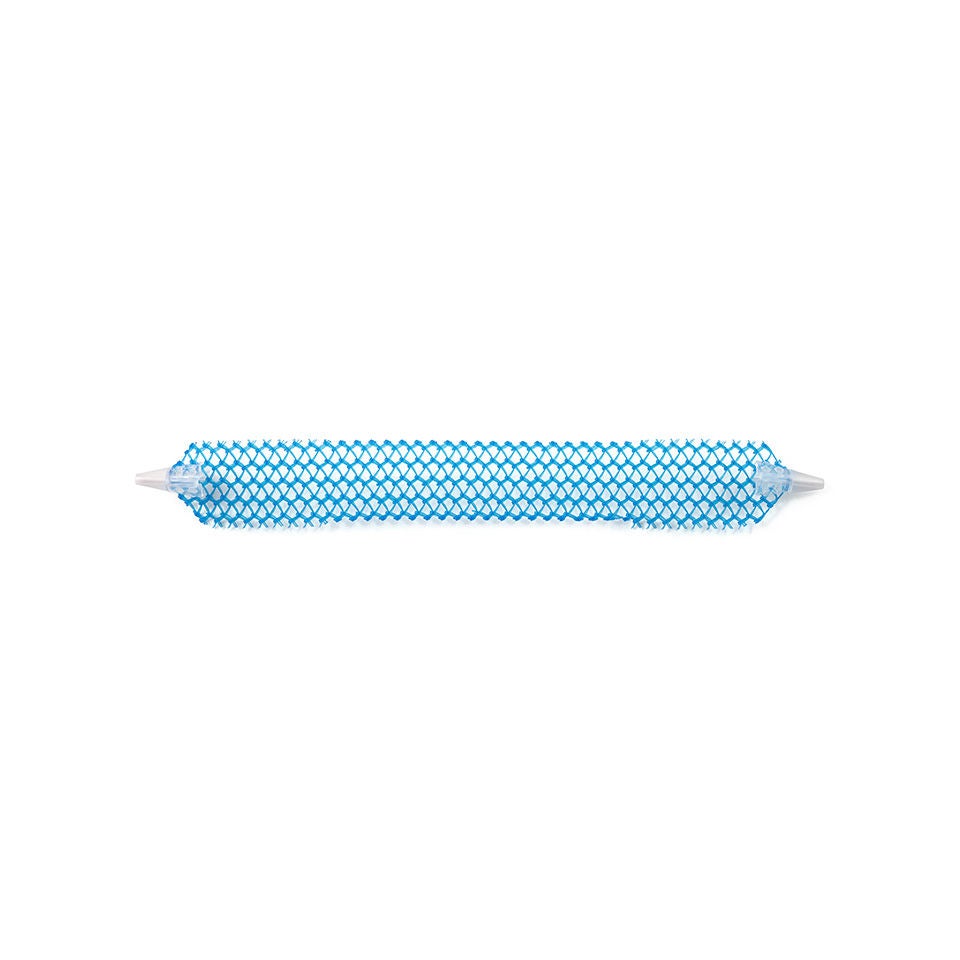
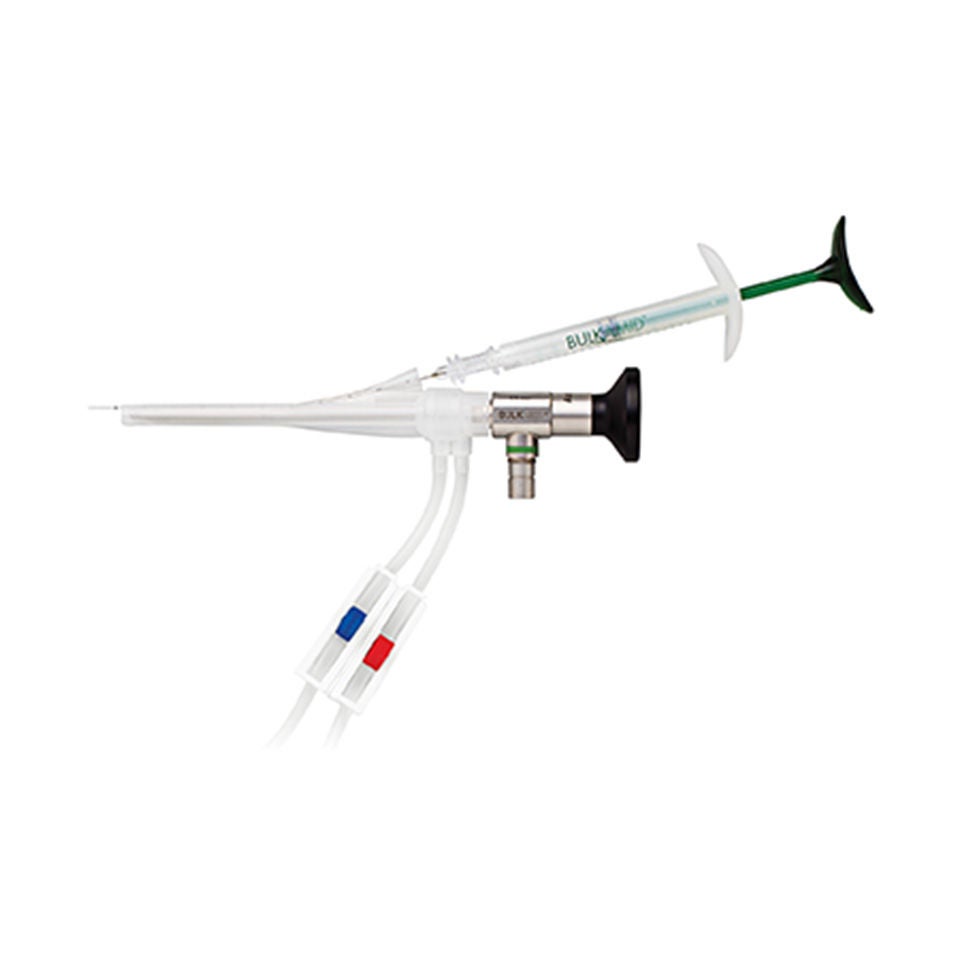
Your doctor is your best source for information on the risks and benefits of the Advantage sling. Talk to your doctor for a complete listing of risks, warnings, and important safety information.
The following adverse events and known risks have been reported due to suburethral (beneath the urethra) mesh sling placement, any of which may be ongoing, but are not limited to: Abscess (swollen area within the body tissue, containing a buildup of pus), Allergic reaction to the implant, Apareunia (inability to perform sexual intercourse), Bleeding from the vagina, Complete failure of the procedure/failure to resolve a patient’s stress urinary incontinence, Dehiscence of vaginal incision (opening of the incision after surgery), De novo detrusor instability (involuntary contraction of the bladder wall leading to an urge to urinate), Dyspareunia (pain during sexual intercourse), Edema and erythema at the surgical site (swelling and redness), Erosion into the following organs: urethra, bladder, or other surrounding tissues and exposure/extrusion into the vagina (when the mesh goes through the vagina into other organs or surrounding tissue), Fistula formation (a hole/passage that develops through the wall of the organs) that may be acute or chronic, Foreign body reaction (body’s response to the implant) that may be acute or chronic, Hematoma formation (bruising), Infection, Inflammation that may be acute or chronic (redness, heat, pain, or swelling at the surgical site as a result of the surgery), Irritation (redness or pain) at surgical site, Leg weakness (muscle weakness), Mesh contracture (mesh shrinkage), Pain or discomfort to the patient’s partner during intercourse, Pain/Ongoing Pain/Severe/Chronic Pain in the pelvis, vagina, groin/thigh, and suprapubic area that may be acute or chronic (pain or ongoing pain just above the pubic bone, pelvis, vagina, groin/thigh area that may be severe and could last for a long time), Pain with intercourse that may not resolve, Perforation or laceration of vessels, nerves, bladder, urethra or bowel (a hole in or damage to these or other tissues that may happen during placement), Scarring, scar contracture (tightening of the scar), Stone formation (as a result of mesh erosion/exposure/extrusion in the urethra or bladder where the mesh is exposed to urine, mineral deposits may form along the mesh, also known as stones), Tissue contracture (tightening of the tissue), Voiding dysfunction: incontinence, temporary or permanent lower urinary tract obstruction, difficulty urinating, pain with urination, overactive bladder, and retention (involuntary leakage of urine or reduced or complete inability to empty the bladder from the mesh being implanted too tightly beneath the urethra). The following additional adverse events have been reported for the Solyx SIS System: Dysuria (painful/difficult urination), Hematuria (blood in the urine). The occurrence of these events may require surgical intervention and possible removal of the entire mesh. In some instances, these events may be permanent after surgery or other treatments. Removal of mesh or correction of mesh-related complications may involve multiple surgeries. Complete removal of mesh may not be possible and additional surgeries may not always fully correct the complications.